
Providing Authors with Tools (My Contribution to Banned Books Week & Beyond)

Story is so powerful. It’s not merely entertainment or a way to pass the time. Story shapes our vision of the world—and ourselves.
Story can also be a form of social control.
By publishing stories featuring characters taking on only traditional roles, you encourage society to stay in line. Dream what they’ve been taught to dream. Often, the root of a book being the target of censorship is not that it is somehow inappropriate, not that it features some sort of offensive or pornographic content.
Instead, it’s often merely challenging the status quo. It’s making readers fall in love with and care about and root for characters who are gay or trans or immigrants, just to name a few examples.
Fiction makes us recognize the humanity in people we might not interact with on a daily basis. It teaches us to see them, to understand their struggles. To find the commonalities between us.
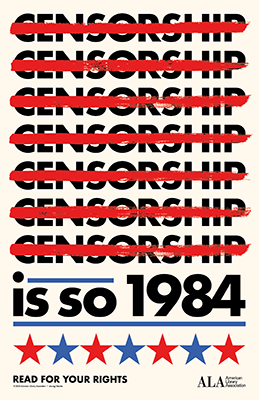
Yes, we should all read banned books this week. But I want to take it a step further. I want to teach the writer of the next banned book.
Not to say that should be your goal: to write a book that’s banned. In fact, of all the authors I know whose work has, in fact, been banned, none of them have worn it solely as a badge of honor. It’s hurt them. Not just in their pocketbooks. It’s been a blow. It’s hurt them to think that their work is considered harmful or dangerous. Being banned has been a painful experience.
But we should never engage in self-censorship.
What you should always do is write a story that is true to you.
Yes, it will be fiction. But only you know how to write the characters you have seen and met and been in your world. Only you can tell those stories.
The last thing you need is to be tripped up by not knowing the craft of writing.
I’ve been a full-time writer since 2001. I’ve learned so much about this craft. But I don’t want to just sit on what I’ve learned. I want to share it. It’s why I started offering courses and writing resources this year. No one else should have to spend nearly a quarter century digging out the basics of the craft of story.
Yes, we all can and should do our part this Banned Books Week. My part going forward is to teach the craft so that important stories don’t get shelved simply because they’re not constructed in a way that hits readers. After all (or is it especially so?), a story that challenges the status quo needs to be crafted well enough to reach readers’ hearts.
Stories are powerful. Your story is powerful. If stories weren’t powerful, banning never would have existed in the first place. We’re going to get your important story out into the world in a way that it can be heard and seen and felt deeply by readers.
That’s my promise to you.